

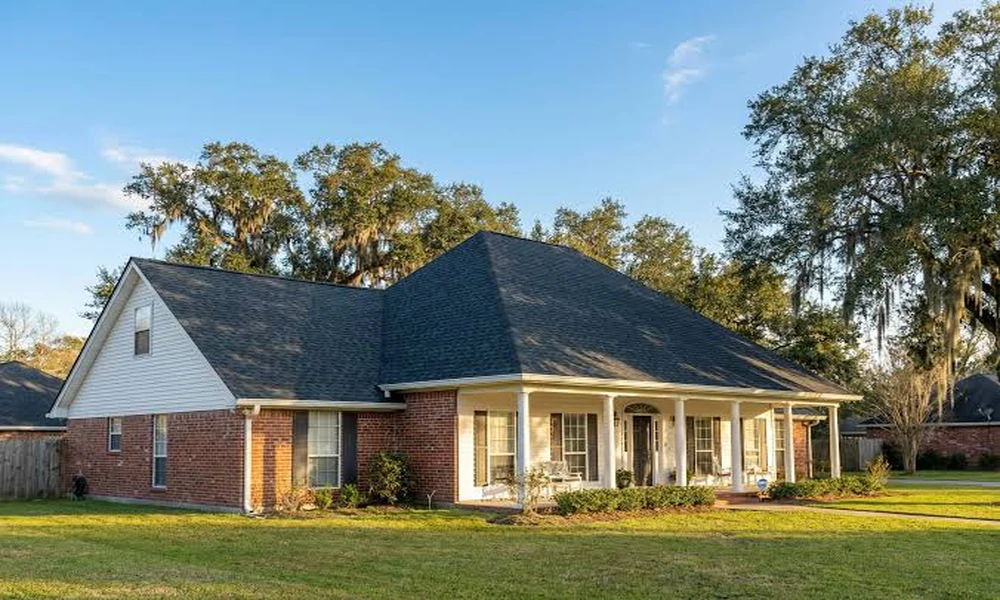
From the street, a Walker roof replacement looks like the work of one crew on a couple of busy days. In reality, half a dozen people touch the project before the first shingle comes off, and a few more weigh in after the dumpster leaves. Local outfits like cannonscontracting.com, which installs Atlas and GAF shingle systems and forms standing seam metal on its own machines, end up steering many of those hands on the owner’s behalf, but the homeowner still benefits from knowing who each one is and what they decide.
Seen this way, a new roof stops feeling like a single purchase and starts looking like a chain of judgment calls. Each link can make the finished roof stronger or slowly weaken it, so it pays to meet them one at a time.
The Homeowner Who Notices First
Every project begins with someone in the house deciding the old roof has had enough. In the Florida Parishes that decision usually arrives one of three ways. Some owners spot the slow signs, such as granules collecting at the bottom of downspouts, shingle tabs curling at the edges, or dark streaks spreading across the north slope. Others get the message from a water stain on the ceiling after a heavy afternoon storm. A growing number hear it from their insurance company, which may refuse to renew or offer only reduced coverage once an asphalt roof passes a certain age.
Age alone matters a great deal here. Heat and humidity shorten shingle life in south Louisiana, and many roofs installed or patched after Hurricane Ida tore through the area in 2021 were rushed jobs done while every crew in the state was overbooked. A roof that is only a few years old can still deserve a second look if the original work was hurried.
The Estimator With the Tape Measure
The next person on the property carries a ladder, a camera and sometimes a drone. A thorough estimator spends real time on the roof and in the attic, because most of what drives the price cannot be seen from the yard. A good estimate should account for
- the total roof area in squares, plus waste for valleys, hips and dormers
- the pitch, which affects safety equipment and labor time
- how many layers of old roofing are coming off
- soft or delaminated decking, with a per sheet price for replacing it
- intake and exhaust ventilation, which is often undersized on older homes
- flashing at chimneys, walls and plumbing vents, and whether it will be reused or replaced
That per sheet decking price is worth insisting on. Nobody knows exactly how much rotten plywood hides under old shingles until the tear off, and a written unit price keeps that surprise from turning into an argument.
The estimator is also the one who walks through material options. Architectural asphalt shingles remain the most common choice around Walker, while standing seam metal, tile and slate cost more upfront and last considerably longer.
The Adjuster Holding the Policy
When wind or hail triggered the project, an insurance adjuster joins the cast. Their inspection decides whether damage is covered, and the details of the policy decide how much actually reaches the homeowner. Many Louisiana policies carry a separate named storm or hurricane deductible, calculated as a percentage of the dwelling limit rather than a flat dollar amount, which can surprise people the first time they file.
Two other policy terms shape the check. Replacement cost coverage pays to put on a new roof of similar quality, while actual cash value coverage subtracts depreciation for the old roof’s age. Ordinance or law coverage, if the policy includes it, helps pay for upgrades that current building codes require, such as new drip edge or improved underlayment. Having the roofer meet the adjuster on site often prevents small items like vents and flashing from slipping off the approved scope.
The State Board and the Permit Desk
Paperwork now plays a bigger role than it used to. Since January 1, 2026, Louisiana has required anyone performing residential roofing work valued at $7,500 or more to hold a Residential Roofing or Residential Construction classification from the state contracting board. The same legislation tightened the rules on permits and inspections. The Louisiana State Licensing Board for Contractors memo on roofing lays out who must be licensed and why.
For homeowners, the practical takeaway is simple. Ask for the license number, look it up on the board’s website, and confirm who is pulling the permit before signing anything. Storm chasers who roll into town after a hurricane are exactly the people this law was written to filter out.
The Crew on Tear Off Day
Most single family roofs in this area go from old to new in one to three days once materials arrive. The crew’s habits matter more than their speed. Good teams lay tarps over shrubs and against walls, keep a dumpster or trailer close to the work, and never strip more roof than they can dry in before the afternoon clouds build.
Once the deck is bare, the foreman checks every sheet, replaces the bad ones and renails loose decking. Underlayment goes down next, followed by drip edge, starter strips, flashing and finally the shingles or panels. At the end of the day a rolling magnet should sweep the lawn and driveway for stray nails. Homeowners with solar panels, satellite dishes or patio covers tied into the roof should ask early who removes and reinstalls them.
The Evaluator and the Inspector
On a permitted job, a building inspector may visit to confirm the work meets code. Owners chasing a FORTIFIED designation will also need a certified evaluator, who photographs nail patterns, sealed deck seams and edge details while the roof is still open. Once the shingles cover those details, they can never be verified again, so this visit has to be scheduled before installation begins rather than after. A completed designation can earn a meaningful discount on Louisiana homeowners insurance.
The Manufacturer Standing Behind It All
The last party rarely shows up in person. Shingle and metal manufacturers back their products with warranties that range from basic coverage to enhanced versions available only through certified installers. Those stronger warranties usually need to be registered after the job, and the paperwork belongs in the same folder as the permit card and the contractor’s labor warranty.
Labor and product coverage are two separate promises. The manufacturer covers defects in the material, while the installer covers mistakes in how it went on. Knowing which one to call years from now, and having both documents ready, is the final piece of a roof done right. When every pair of hands along the way has done its part carefully, the homeowner gets something that looks simple from the street and holds up through the storms that matter.
