

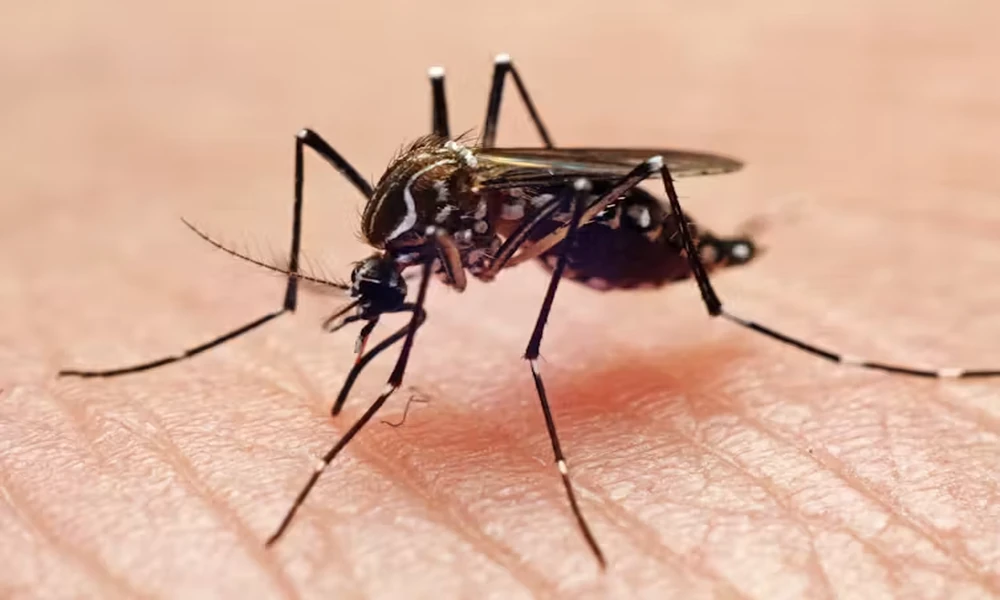
Summer in Springfield follows the same pattern every year. The evenings stretch long and golden, the air turns thick and warm, and just as you settle onto the patio to enjoy it, the mosquitoes arrive. For many Greene County households, the season’s greatest outdoor pleasure comes bundled with its most persistent irritation, and no amount of citronella seems to help.
It’s a fair frustration, but luck has nothing to do with it. Springfield’s location, climate, and landscape combine to make the region welcoming to mosquitoes, which is why effective mosquito control for yards has become a summer necessity here. Knowing what causes the problem is the first step to getting some relief.
A Climate Built for Breeding
Mosquitoes need warmth and water to thrive, and an Ozark summer delivers plenty of both. Daytime temperatures that linger in the upper eighties and nineties speed up the mosquito life cycle. So, what might take two weeks in spring can compress into a matter of days at the height of July.
Then there’s the rain. Springfield summers are punctuated by frequent thunderstorms that scatter water across lawns, gardens, and low-lying ground, refilling every puddle and depression just as the last batch dries out. Combined with the region’s characteristic humidity, the result is a continuous breeding season that refuses to slow down.
The Breeding Sites Hiding in Your Yard
The majority of mosquitoes biting you were likely born within a few hundred feet of where you are standing. These insects don’t need a pond or creek to reproduce. Common culprits scattered across a typical Springfield property include:
- Clogged gutters where leaves trap shallow pools for days.
- Plant saucers and potted-plant trays holding runoff after watering.
- Birdbaths and pet bowls left unchanged too long.
- Children’s toys, buckets, and tarps that collect rainwater.
- Old tires, wheelbarrows, and forgotten containers in the garage or shed.
- Low spots in the lawn that stay soggy after a storm.
Dense Landscaping Attracts Resting Mosquitoes
A yard also shelters mosquitoes. Adults spend the hottest hours of the day resting, seeking cool, shaded, humid areas to wait out the sun. Thus, they can hide in dense shrubbery, tall grass, ground cover, ivy-clad fences, and the damp underside of a deck. Springfield’s established neighborhoods, with their mature shade trees and generous ornamental landscaping, offer no shortage of these hideouts. The features that make a Greene County yard inviting to people can also serve as a prime mosquito habitat for blood-sucking insects, giving adults somewhere to linger between bites instead of moving on.
Reclaiming Your Springfield Yard
Mosquito pressure responds well to a two-part approach, which involves removing breeding sites and treating the places where adults rest. Homeowners can make progress on the first front:
- Empty and refresh any standing water at least twice a week.
- Clear gutters and improve drainage in chronically wet spots.
- Trim dense vegetation where adult mosquitoes shelter during the heat of the day.
- Set up fans on patios, since mosquitoes are weak fliers easily thrown off by moving air.
Still, the shaded, humid corners where mosquitoes rest are hard for a homeowner to reach alone. This is the gap professional treatment is built to close. Palisade Pest Control designs seasonal mosquito programs around the specific layout of each Springfield property, targeting the resting sites and breeding zones that DIY efforts may miss.
Enjoying Summer on Your Own Terms
A Springfield summer should be measured in evenings on the porch and weekends in the backyard. Mosquitoes may be woven into the fabric of an Ozark July, but their hold on your yard is far from inevitable. Homeowners who win their outdoor space back attack the problem at its source, draining the hidden water that breeds the next generation and calling in help for the corners they can’t reach.
