

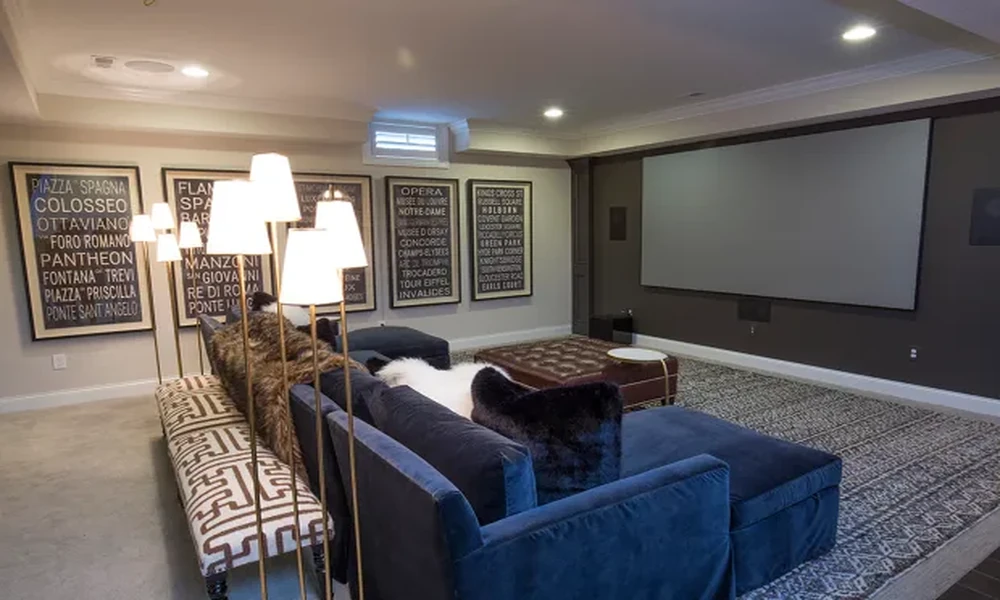
For a property manager dealing with a finished rec room where the open floor looked better before the wall base did while the follow-up concern is a utility-room threshold where airflow changes, a useful rental plan starts with the material that is still wet. The goal is to choose the first rental step without over-ordering equipment while avoiding a room full of machines that do not solve the first bottleneck. In this article’s room example, the working note is checking the humidity problem after surface water is gone while watching a utility-room threshold where airflow changes.
Stop treating the room as one wet surface around a utility-room threshold where airflow changes
Markham basement-flooding guidance is useful background because it keeps the discussion tied to real water-management concerns without pretending every property has the same cause. After a wet event, the most useful rental mix is usually the one that removes water first, then reduces airborne humidity while materials are checked. In this article’s room example, the working note is treating odour as a clue rather than proof while watching condensation returning on a cool surface.
For this Markham situation, local context should shape questions, not become a claim that one rental fits every room. A careful first pass records where water entered, which contents were moved, and whether the wettest edge is carpet, drywall, concrete, trim or stored material. In this article’s room example, the working note is lifting stored items before airflow is aimed while watching wet textiles stacked away from the open floor.
Work through the first three checks before lifting stored items before airflow is aimed
The room should be broken into four jobs: remove water that is still held in materials, expose surfaces to moving air, lower humidity, and decide whether air cleaning is a separate concern. That sequence is especially important when a finished rec room where the open floor looked better before the wall base did while the follow-up concern is a utility-room threshold where airflow changes, because condensation returning on a cool surface can distort the first impression.
A larger machine is not automatically a better rental. If airflow cannot reach the damp edge, more airflow may only dry the open middle. If humidity is staying high, a fan alone can make the room feel active while moisture remains in soft materials. In this article’s room example, the working note is recording what changed before furniture is reset while watching wet textiles stacked away from the open floor.
Choose the rental category after the checks for finished rec room
The category reference that fits this part of the decision is this DryingEquipment.ca infrared camera page. Use it after the wet material has been named, because the page helps compare equipment details while the room notes explain why the rental is needed. In this article’s room example, the working note is checking the room after the first few hours instead of the next morning only while watching condensation returning on a cool surface.
If the first pass suggests another equipment category may be needed, the matching HEPA air scrubber rental details for the next step can be checked separately. The second link belongs late in the plan because support equipment should answer a different problem, not duplicate the first rental. In this article’s room example, the working note is checking whether support equipment changes the result while watching an under-stair corner that dries last.
Know when a rental is not enough with an under-stair corner that dries last in mind
A good setup leaves evidence. Notes about run time, remaining odour, carpet edges, wall bases and blocked corners make it easier to see whether the room is actually improving. That matters more than whether the equipment sounds powerful. In this article’s room example, the working note is setting a follow-up point before pickup is scheduled while watching wet textiles stacked away from the open floor.
- Would a infrared camera change the wettest material or only the air movement?
- Is the room safe for overnight run time?
- What condition would prove the setup needs to change?
The closing check for Markham should be simple: return to the slowest-drying material and compare it with the first notes. If it is not improving, the answer may be extraction, placement, dehumidification, filtration or professional inspection instead of more of the same machine. In this article’s room example, the working note is checking a second material before changing the order while watching an under-stair corner that dries last.
The best ending is a written threshold. If the hallway edge closest to the water source remains unchanged after treating odour as a clue rather than proof, the decision moves from simple rental timing to reassessment. The source-side edge is worth one last look before any rental plan is called complete.
