

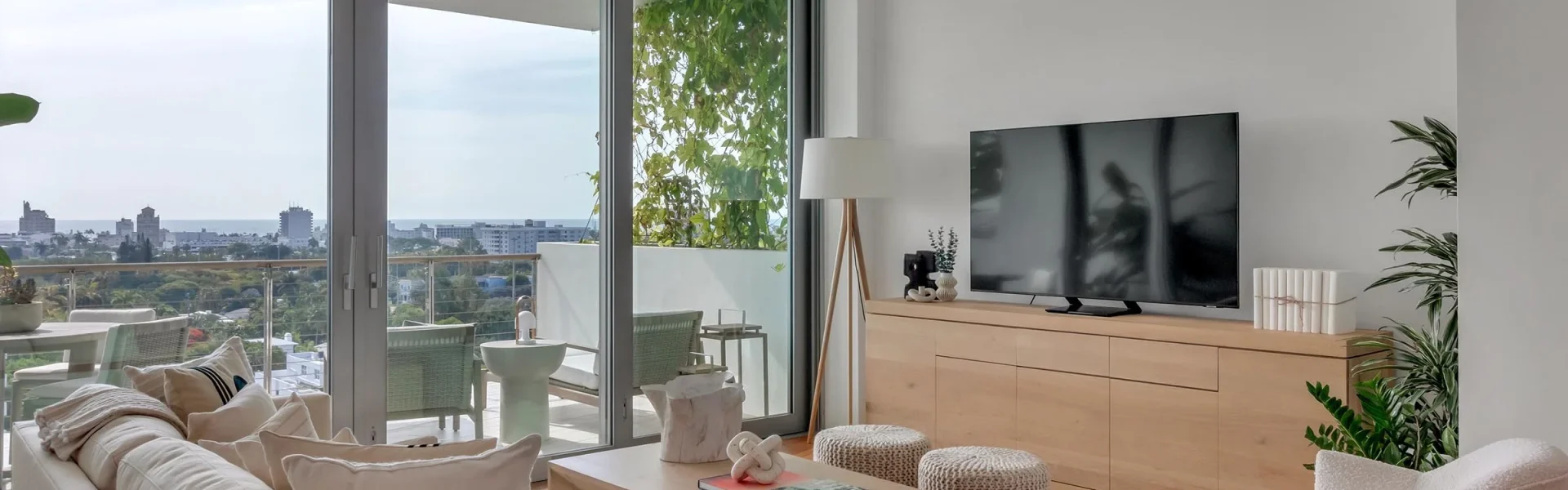

Preparing a rental property for tenants in Miami requires more than basic cleaning and listing photos. The city’s climate, lifestyle, and housing expectations shape how landlords and property owners approach interior setup. Whether the property is a condo in Brickell, a townhouse in Kendall, or a single-family home in Miami-Dade, thoughtful preparation helps ensure the space is functional, durable, and appealing to prospective tenants.
Understanding how to prepare a rental property for tenants in Miami begins with focusing on comfort, practicality, and long-term maintenance.
Start With a Thorough Inspection
Before furnishing or staging the property, conduct a detailed inspection. Look for:
- Signs of moisture or humidity damage
- Air conditioning performance
- Plumbing and electrical functionality
- Window seals and door alignment
Miami’s humidity can quietly affect walls, floors, and fixtures. Addressing maintenance issues before tenants move in reduces future repair complications.
Ensuring that essential systems are in good condition also improves tenant satisfaction and minimizes emergency calls later.
Choose Durable and Low-Maintenance Materials
Miami’s tropical climate and active lifestyle mean rental properties should be designed for durability. Tenants may frequently visit beaches, entertain guests, or move in and out seasonally.
Materials that perform well in Miami rentals often include:
- Tile or vinyl flooring instead of carpeting
- Washable paint finishes
- Moisture-resistant cabinetry
- Easy-to-clean countertops
If furnishing the rental, opt for neutral, durable upholstery fabrics rather than delicate materials. Breathable fabrics also feel more comfortable in humid conditions.
Durability reduces turnover costs and simplifies maintenance between tenants.
Keep the Design Neutral and Inviting
When preparing a rental property, avoid highly personalized décor. Tenants prefer neutral environments that allow them to imagine their own belongings in the space.
Consider:
- Light wall colors
- Simple window treatments
- Minimal decorative elements
- Clean-lined furniture
Neutral tones reflect Miami’s natural light and make spaces feel larger. They also appeal to a broader range of renters.
Subtle coastal influences-such as soft blues or natural textures-can enhance the atmosphere without becoming overly themed.
Furnished vs. Unfurnished Considerations
Some Miami rental properties are offered furnished, particularly in high-rise condos or seasonal rental markets. If choosing to furnish the property, focus on practicality.
Provide essential items such as:
- A properly sized sofa
- Dining seating
- Bedroom furniture with storage
- Functional lighting
Avoid overcrowding the unit. Tenants appreciate open space and flexibility.
Landlords often review a home furnishing website based in Miami to better understand local furnishing norms and what is commonly included in rental properties within the area.
Researching local standards ensures the rental aligns with tenant expectations.
Optimize Storage Space
Storage is especially valuable in condos and smaller rental units. If closet space is limited, consider adding:
- Simple shelving systems
- Storage-friendly bed frames
- Wall-mounted organizers
Tenants value efficient storage solutions that help them stay organized.
However, avoid excessive built-ins that may not suit every renter’s needs. Flexibility remains important.
Focus on Lighting
Lighting has a strong impact on how a rental property feels during showings and everyday living. In Miami, natural light is a major advantage. Make sure windows are clean and unobstructed.
Supplement natural light with:
- Neutral overhead fixtures
- Practical task lighting in kitchens
- Soft bedroom lighting
Well-lit spaces photograph better and appear more welcoming.
Ensure Balcony and Outdoor Areas Are Ready
Many Miami rentals include balconies or patios. These areas should be clean and well-maintained before tenant viewings.
If furnishing outdoor spaces, use weather-resistant materials designed to withstand humidity and sun exposure.
Ensure balcony railings, sliding doors, and drainage systems are in proper working condition. Safety is critical, particularly in high-rise buildings.
Prepare for Hurricane Season
Rental property preparation in Miami must also account for seasonal weather conditions. Ensure hurricane shutters or impact windows are functional and that tenants understand how to secure the property during storms.
Providing basic guidance or written instructions for storm preparation can be helpful.
This proactive approach protects both the property and tenant well-being.
Address Air Conditioning and Ventilation
In Miami, reliable air conditioning is not optional. It is essential for comfort and indoor air quality.
Before listing the rental:
- Service the HVAC system
- Replace filters
- Check airflow in each room
Proper ventilation also reduces humidity buildup, which can affect furniture and interior finishes over time.
Maintain Clear Walkways and Functional Layouts
Whether furnished or unfurnished, rental properties should feel open and easy to navigate. Remove unnecessary items that may make rooms appear smaller.
Arrange furniture, if included, to maintain clear walkways between rooms.
Tenants often prefer flexible spaces that can accommodate work-from-home setups or family needs.
Clean Thoroughly Before Showings
Deep cleaning is one of the most important preparation steps. This includes:
A clean environment communicates care and professionalism.
Even minor cleanliness details can influence a tenant’s decision.
Final Thoughts
Preparing a rental property for tenants in Miami requires attention to climate, durability, and tenant expectations. By focusing on low-maintenance materials, neutral design, functional layouts, and proper system maintenance, landlords can create welcoming spaces that stand up to South Florida’s unique environment.
Thoughtful preparation not only enhances the tenant experience but also supports long-term property value and stability in Miami’s competitive rental market.


