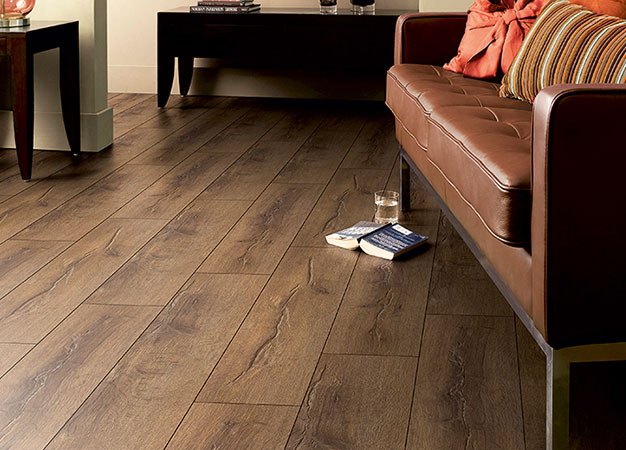

In recent years, homeowners and interior designers alike are placing a growing emphasis on sustainability. As environmental awareness continues to rise, every choice in home design—from energy-efficient lighting to eco-friendly paints—is being scrutinized for its impact on the planet. Among these considerations, sustainable wooden Flooring has emerged as a popular and stylish solution. Not only does it provide the natural warmth and elegance that wood is renowned for, but it also supports a greener, more responsible approach to home design.
Why Choose Sustainable Wooden Flooring?
Traditional wooden flooring often comes from sources that deplete forests, contributing to environmental degradation and loss of biodiversity. Sustainable wooden flooring, on the other hand, is sourced responsibly from forests managed according to strict environmental standards. Choosing eco-friendly wood helps reduce carbon footprints, prevents deforestation, and promotes responsible forestry practices.
Moreover, sustainable wooden floors are durable, timeless, and versatile. Unlike synthetic alternatives, high-quality wood flooring can last decades with proper care, reducing the need for replacements and minimizing waste. The long-term value—both aesthetic and environmental—makes it a smart investment for homeowners seeking elegance and conscience in equal measure.
Popular Eco-Friendly Wooden Flooring Options
When it comes to sustainable wooden flooring, there are several options that combine beauty with environmental responsibility:
Bamboo Flooring
Although technically a grass, bamboo is one of the fastest-growing plants on Earth, making it a highly renewable resource. Bamboo flooring is strong, lightweight, and resistant to moisture, making it ideal for kitchens, living rooms, and even bathrooms. With a variety of finishes available, bamboo can mimic traditional hardwood while maintaining an eco-friendly footprint.
Reclaimed Wood Flooring
Reclaimed wood comes from old structures such as barns, warehouses, and factories. By repurposing these materials, homeowners can enjoy a unique, weathered aesthetic while preventing usable wood from ending up in landfills. Each plank tells a story, adding character and authenticity to your home.
Engineered Wood with FSC Certification
Engineered wood consists of a real wood veneer layered over plywood or other sustainable cores. When sourced from Forest Stewardship Council (FSC) certified suppliers, it guarantees that the wood comes from responsibly managed forests. Engineered wood is dimensionally stable, less prone to warping, and a great alternative for areas with high humidity.
Cork Flooring
Derived from the bark of cork oak trees, cork is another sustainable choice. The trees are not cut down; instead, their bark is harvested every 9–12 years, making it highly renewable. Cork is soft underfoot, provides excellent insulation, and naturally resists mold and pests, making it an ideal eco-conscious flooring solution.
Benefits of Sustainable Wooden Flooring
Choosing sustainable wooden flooring provides a range of benefits beyond environmental responsibility:
Healthier Indoor Environment: Many sustainable wooden flooring options use low-VOC (volatile organic compound) finishes, which improve indoor air quality.
Durability and Longevity: High-quality wood flooring can last for decades, reducing the need for replacements and limiting waste.
Aesthetic Versatility: From rustic reclaimed planks to sleek engineered wood, eco-friendly flooring options complement any interior design style.
Value Addition: Sustainable wood flooring enhances the resale value of your home, appealing to eco-conscious buyers.
Tips for Maintaining Sustainable Wooden Flooring
To ensure your eco-friendly flooring remains beautiful and functional for years, proper care is essential:
Regular Cleaning: Use a soft broom or vacuum to remove dust and grit. Avoid harsh chemical cleaners.
Moisture Control: Wipe up spills immediately and use mats in high-moisture areas to prevent water damage.
Polishing and Refinishing: Depending on the type of wood, periodic polishing or refinishing can restore the floor’s original shine and extend its lifespan.
Furniture Protection: Use felt pads under furniture legs to prevent scratches and dents.
Why Sustainable Flooring is the Future
As the global focus shifts towards eco-conscious living, sustainable wooden flooring represents both an ethical and stylish choice. Homeowners no longer have to compromise on aesthetics to make environmentally responsible decisions. From bamboo to reclaimed wood, these flooring options bring warmth, character, and sustainability under one roof.
Incorporating sustainable wooden flooring into your home is more than a design decision—it is a commitment to a greener future. By choosing responsibly sourced materials, you not only elevate your interior design but also contribute to the preservation of forests and the protection of our planet for generations to come.
Conclusion
Sustainable Wooden Flooring is a perfect blend of elegance, durability, and environmental responsibility. Whether you’re renovating a modern apartment or designing a traditional home, eco-friendly flooring options like bamboo, cork, engineered wood, and reclaimed timber offer endless possibilities. Investing in sustainable flooring is an investment in your home, your health, and the planet—making it a choice you can feel proud of every day.