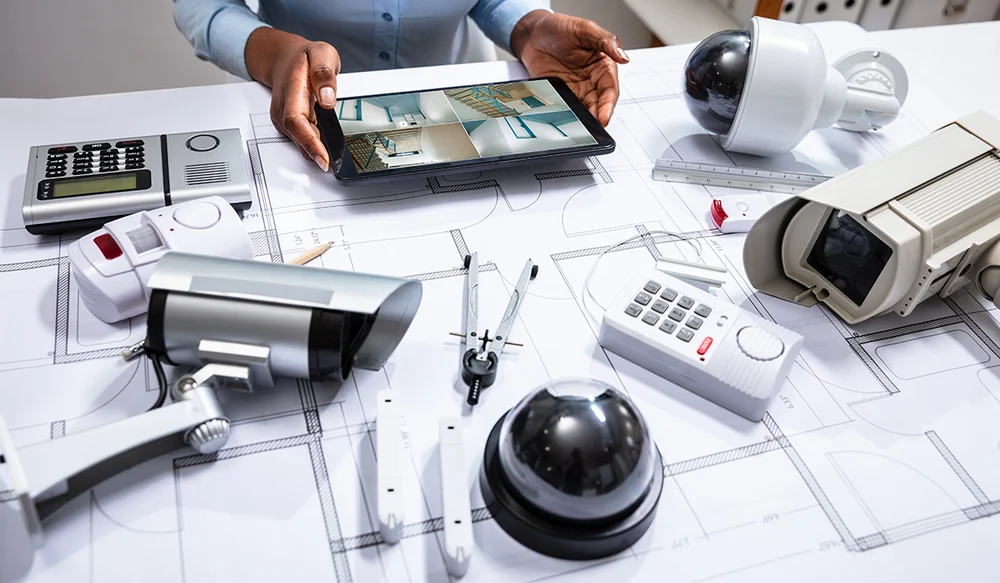

Reliable surveillance begins with informed decisions about devices that match business risks. Selecting proper components improves monitoring accuracy while reducing maintenance costs. Many professionals review trusted sources such as https://paceprotections.com/dallas/security-cameras/ to understand system standards before purchasing units. Careful evaluation of lens storage power supplies and mounting tools ensures stable performance. A structured approach prevents overspending and also supports long-term protection goals. The sections below explain core factors that influence professional-grade monitoring setups for commercial properties.
1. How Resolution Affects Monitoring Greatly
Image clarity determines whether footage supports identification tasks. Higher resolution sensors capture finer details such as facial traits or printed text. Lower resolution units consume less storage yet may limit evidence value. Decision makers should balance clarity needs with recording duration to maintain efficient archiving without unnecessary data overload.
2. What Storage Options Exist Today
Recording methods vary based on infrastructure capacity. Network recorders store footage centrally while onboard memory cards provide local backup. Cloud storage enables remote retrieval through secure authentication. Organizations often combine multiple methods so archived material remains accessible even if one medium fails or becomes compromised.
3. Comparing Wired Versus Wireless Systems
Connection type influences stability, scalability, and installation complexity. Wired links deliver consistent signals suitable for large facilities. Wireless setups simplify placement where cabling proves difficult.
|
System Type |
Reliability Level |
Setup Difficulty |
Expansion Flexibility |
|
Wired |
Very High |
Moderate |
High |
|
Wireless |
Medium |
Low |
Moderate |
Choosing depends on building layout interference sources and future upgrade plans.
4. Why Lens Choice Matters Most
Lens specifications shape viewing angle distance coverage detail sharpness. Wide-angle lenses observe broad zones yet reduce distant clarity. Varifocal lenses allow adjustment during setup. Fixed lenses remain stable once aligned. Selecting proper optics ensures scenes remain visible without distortion or unnecessary zoom limitations.
5. Key Features For Night Viewing
Low light capability determines whether monitoring continues after sunset or during power-saving lighting conditions. Modern units include technology that improves visibility without external illumination.
- Infrared illumination supports visibility during darkness while keeping clear detail without external lighting assistance for monitoring.
- Wide dynamic range balances bright highlights with shadows, guaranteeing subjects remain identifiable in challenging lighting conditions.
6. Which Power Sources Work Best
Power selection affects the reliability and installation cost. Direct electrical wiring offers constant energy for continuous recording. Battery-powered units assist temporary setups. Power over cable solutions combine electricity with data transfer, which shortens infrastructure while dipping cable clutter across walls or ceilings.
Effective system design results from careful assessment of property size, threat level, and operational priorities. Thoughtful selection of camera lenses and power methods recorders creates reliable oversight. Specialists frequently compare specifications through https://paceprotections.com/dallas/security-cameras/ when refining buying choices. Proper planning reduces technical faults, improves coverage quality, and supports consistent supervision across all monitored areas.