

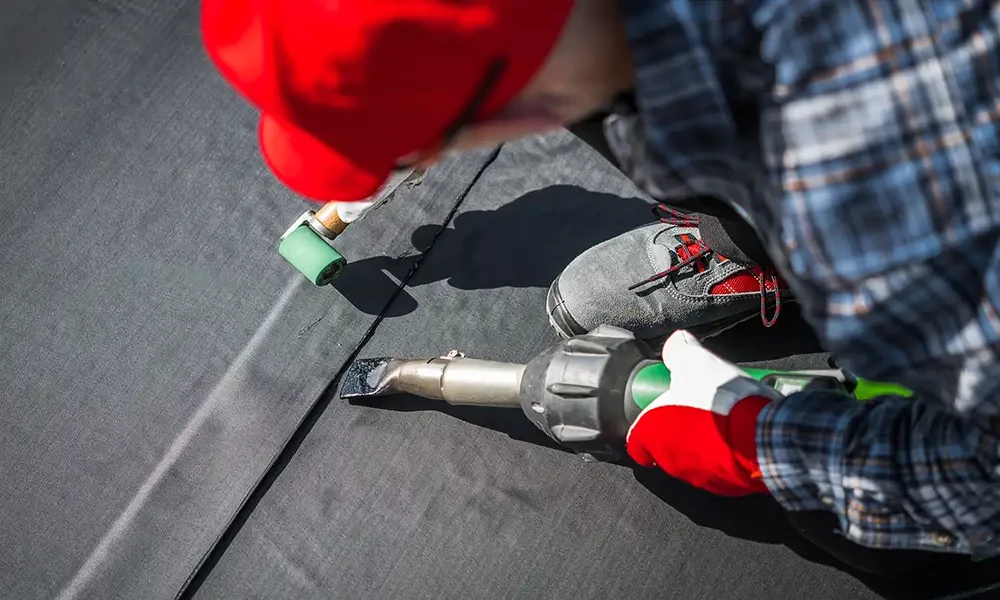
Roof problems often begin quietly, then spread through neglected areas. A loose shingle can admit moisture during heavy rain. Damaged flashing creates another path for water entry. For useful guidance, Learn More can help owners understand roof-care choices. Regular checks reveal these concerns before repair work becomes extensive. Good maintenance also keeps drainage, seals, and coverings working properly. That steady attention gives a roof better protection through changing weather.
Routine Checks Keep Minor Defects Manageable
A careful inspection can reveal changes before damage spreads. Loose shingles often signal fastening issues beneath exposed surfaces. Cracked sealant can also allow moisture around roof joints. Gutter buildup deserves attention because runoff needs clear pathways. During each visit, a roof professional can check:
- Flashing around vents and roof openings.
- Shingles showing curling, cracks, or movement.
- Gutters carrying rainwater toward proper outlets.
- Seals that have started losing flexibility.
These observations create useful records for future maintenance.
Which Roof Repairs Need Faster Action?
Visible leaks should never remain unattended for long. Moisture can travel beneath roofing materials before staining appears indoors. Damaged flashing deserves similar attention around vents and penetrations. A prompt repair can isolate the affected area. However, patching symptoms alone may leave underlying weaknesses untouched. Proper assessment helps identify what caused the defect initially.
Clear Drainage Supports A Healthier Roof
Rainwater needs an unobstructed route away from roof surfaces. Leaves and sediment can slow runoff near vulnerable edges. Standing water then keeps materials exposed to moisture for longer. During routine upkeep, Learn More offers another way to understand suitable care priorities. Clear gutters and downspouts also reduce strain around roof connections. Good drainage therefore supports both surface condition and structural protection.
What Can Seasonal Weather Reveal?
Changing conditions can expose weaknesses that remain hidden otherwise. Hot periods may affect seals, membranes, and aging surface materials. Heavy rain can reveal drainage problems around roof edges. Strong winds may loosen shingles or disturb exposed flashing. After severe weather, a focused inspection should examine:
- Recently shifted or missing roofing pieces.
- Fresh cracks around exposed seals.
- Damp marks near ceilings or walls.
- Gutters holding unusual amounts of debris.
Each observation can guide the next maintenance decision.
Skilled Repairs Address More Than Surface Damage
A visible defect does not always show its source. Loose shingles can reflect weakened fasteners beneath the covering. Failed flashing may result from movement around nearby penetrations. Skilled repair work examines these connections before replacing materials. That approach reduces repeated fixes and unnecessary replacement. It also restores weather resistance where vulnerable components meet.
Consistent attention changes how roof problems develop. A blocked gutter today can contribute to moisture damage later. Likewise, one cracked seal may worsen after repeated rainfall. Keeping records helps owners notice recurring trouble spots early. The useful shift comes from treating maintenance as ongoing care. A single inspection after heavy rain can reveal more than expected, especially around flashing and drainage points.
FAQs
How often should a roof receive inspection?
An annual professional inspection helps identify developing concerns before repairs become extensive. Extra checks can follow storms or visible changes.
Which defects need prompt roof repairs?
Leaks, displaced shingles, damaged flashing, and exposed materials deserve quick assessment. Delays can allow moisture to affect underlying components.
Can gutter care improve roof performance?
Clear gutters help rainwater leave the roof without unnecessary buildup. This reduces prolonged moisture exposure near vulnerable edges.
