

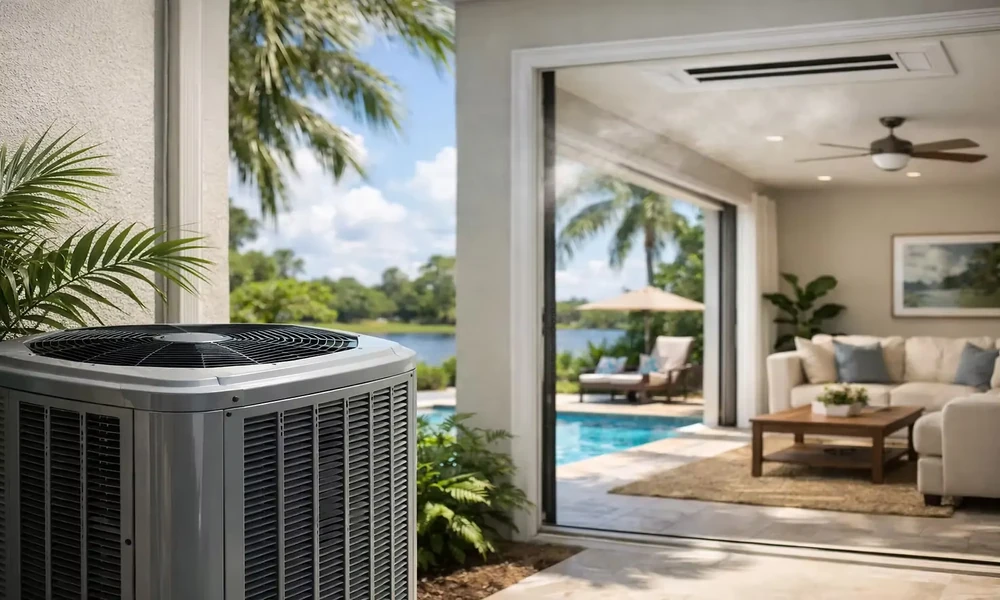
Walk outside in Central Florida on a July morning and the air feels thick before the sun has cleared the trees. That heavy feeling is moisture, and it shapes almost everything about how a home cooling system behaves here. Most people think of an air conditioner as a machine that makes air cold. In this climate, pulling water out of the air is just as much of its job, and often the harder part.
Homeowners around Oviedo and the rest of Seminole County who need routine maintenance checks or help with a struggling system often turn to a family owned HVAC contractor like Universal Repair Services, which handles heating, cooling and ventilation work for houses and commercial buildings alike. Whoever does the work, it helps to understand what the system fights every day. Most repair calls in humid regions trace back to the same handful of moisture problems.
The Coil Does Two Jobs at Once
Inside the air handler sits the evaporator coil. Warm indoor air blows across it, the refrigerant inside absorbs heat, and the air leaves cooler. The coil surface is also colder than the dew point of the passing air, so water condenses on the fins the way it does on a glass of iced tea. That water drips into a pan and leaves the house through a condensate line.
In a dry climate, that line might barely trickle. In a Florida summer, a home system can pull several gallons of water out of the air in a single day. This is why comfort here depends on more than the number on the thermostat. A house at 76 degrees and 45 percent humidity feels pleasant. The same house at 76 degrees and 65 percent feels clammy. People usually respond by turning the thermostat lower, which costs money without fixing the real issue.
The EPA’s guide to mold, moisture and your home recommends keeping indoor relative humidity below 60 percent, ideally between 30 and 50. It also specifically advises keeping AC drip pans clean and drain lines flowing. An inexpensive hygrometer from a hardware store will quickly show which side of that line your home sits on.
Bigger Equipment Often Means Damper Rooms
One of the most common mistakes in hot climates is oversizing. It seems logical that a larger unit would handle brutal afternoons better. In practice, an oversized system cools the air so fast that it reaches the thermostat setting and shuts off within minutes. The coil never stays cold long enough to wring out much moisture. Whatever water did collect can evaporate back into the airstream once the blower stops.
The result is a home that hits its target temperature but never feels quite right. Short cycling also wears out compressors and contactors, because startup is the most stressful moment in the equipment’s life. When a system is replaced, a proper load calculation (often called Manual J) gives a far better answer than simply matching the old unit’s tonnage. It accounts for insulation, windows, orientation and air leakage.
Variable speed and two stage equipment has become more common for exactly this reason. These systems can run longer at lower output. That keeps the coil cold so it dehumidifies steadily, instead of blasting cold air and quitting.
Where Moisture Problems Usually Show Up
Signs that humidity is winning tend to appear in predictable places:
- A musty smell when the system starts. This often comes from a damp coil or standing water in the drain pan.
- Water in the safety pan under an attic air handler. A float switch that shuts the system off without warning is a related sign.
- Sweating supply vents or ceiling stains near registers. These usually point to cold metal meeting humid attic or room air.
- Condensation on the inside of windows during cooling season. This means the indoor air is carrying too much moisture.
- A system that runs constantly but never lowers the humidity. The cause can be low refrigerant, a dirty coil or a blower speed set too high for the climate.
The Drain Line Deserves More Attention Than It Gets
Clogged condensate lines are among the most frequent summer service calls across the state. The line stays warm, wet and dark, which is ideal for algae and bacterial slime. Once it backs up, water either overflows the pan or trips the float switch and shuts down cooling. That tends to happen on the hottest afternoon of the week.
Many homeowners pour a cup of white vinegar into the line’s access port every month or two during cooling season. This habit slows buildup, though it won’t clear a line that is already blocked. If the system has shut off and water is sitting in the pan, a technician can vacuum or flush the line. They can also check whether the pan has rusted through, which is common with older metal pans.
Attics, Ducts and Hidden Air Leaks
Many Central Florida homes have the air handler and ductwork in the attic, where summer temperatures can climb past 130 degrees. Any leak on the return side pulls in that hot, humid attic air and forces the system to deal with it. Leaky supply ducts waste conditioned air in a space nobody uses.
Sealing duct joints with mastic, checking that insulation hasn’t slipped off flex ducts, and making sure the return plenum is tight can improve comfort as much as a new condenser. If a duct cleaning coupon shows up in your mailbox, the EPA’s page on whether you should have your air ducts cleaned is a balanced read. It explains that cleaning is generally worthwhile only when there is visible mold, pests or heavy debris, and that the moisture source should be fixed first.
Maintenance Timing in a Long Cooling Season
Up north, a spring tune up covers most of the cooling season. Here, systems run hard for eight or nine months, so twice yearly visits make sense for many homes. One visit comes before the heat settles in. The other comes in fall, before the short heating season puts heat strips or a heat pump’s reversing valve to work.
A thorough visit includes:
Homeowners can handle the filter themselves. Pleated filters in humid homes load up faster than package labels suggest, so checking them monthly through summer is a sensible habit.
Newer refrigerants also affect repair decisions. Equipment sold today is built around lower impact refrigerants such as R-454B and R-32, while millions of existing systems still run on R-410A. An older unit doesn’t automatically need replacing. Still, before paying for a major repair like a compressor or coil, it’s worth weighing the cost against the age and condition of the whole system.
Small Habits That Help the System Breathe
Settings matter too. Leaving the fan on “on” instead of “auto” keeps air moving across a wet coil after the compressor stops, which can push moisture right back into the house. Bathroom and kitchen exhaust fans should vent outdoors, not into the attic. Before a summer trip, raising the thermostat a few degrees is fine. Shutting the system off entirely can let humidity climb high enough to invite mildew on furniture and inside closets.
Florida homeowners who think of their air conditioner as a dehumidifier that also cools tend to make better choices, from thermostat settings to the size of a replacement unit. Watching the humidity reading as closely as the temperature pays off over time. A clear drain line, a tight duct system and attention to early warnings like musty odors or sweating vents keep small issues from turning into weekend breakdowns. A system that controls moisture well runs shorter cycles, lasts longer and keeps the house comfortable through the long, sticky months.
