

Most mornings between May and July, a gray marine layer slides in off the Pacific and settles over the bluffs of South Orange County. By lunch the sun has usually burned through it. Locals call it May Gray and June Gloom, but a roof sitting a few miles from the water lives through that damp and dry cycle hundreds of times a year, and every round leaves a thin film of salt behind.
Roofers who work this stretch of coastline tend to notice the same failures repeating from one street to the next. J L Ray Co has been repairing and replacing roofs in San Clemente and the surrounding towns since 1989, from Dana Point and Laguna Niguel to Newport Coast and Ladera Ranch, and the work spans tile leak repair, standing seam metal, flat commercial roofs and the deck coatings that protect living space below balconies. That local history matters, because coastal roofs rarely fail the way brochures suggest.
The real story is less about the material you can see and more about the small parts and hidden layers that decide how long a coastal roof lasts.
Salt Works Even on Sunny Days
Salt is hygroscopic, meaning it pulls moisture straight out of humid air. Once a fine layer of it settles on a roof, the surface stays slightly damp long after the fog has lifted. Corrosion needs moisture, and salt guarantees a steady supply.
That is why the damage concentrates in predictable spots. Fasteners are small, heavily stressed and often made of a cheaper metal than the panels around them. Cut edges and overlaps are where factory coatings are thinnest. Valleys and flashing are where salty water collects and lingers. Plain galvanized flashing can develop pinholes long before its expected life near the ocean, and because it wraps chimneys, skylights and walls, those holes become leaks that are hard to trace.
The Layer Nobody Looks At
Drive through almost any tract built in coastal Orange County during the 1980s and 1990s and you will see concrete or clay tile. Tile itself is close to indestructible here. It doesn’t rust, salt barely touches it, and a well made clay tile can outlast the house.
The weak point sits underneath. Tile roofs depend on an underlayment to keep water out, while the tiles mostly shed sun and wind. That underlayment usually gives out decades before the tile does, and many homes from that building boom have now reached the age where felt paper is brittle, torn at the laps or simply crumbling under the battens.
The fix rarely means losing the tile. Roofers lift and stack it, replace the underlayment and flashing, then reset the original pieces with a few replacements for cracked ones. Homeowners keep the look their HOA approved years ago and gain another long stretch of dry ceilings.
Clues You Can Spot From the Driveway
You don’t need to climb a ladder to catch early trouble. A slow walk around the house after a dry spell tells you a lot, and these are the signs that usually show up first.
- Orange or brown streaks running down from vent pipes, flashing or metal trim
- Tiles that have slipped out of line, cracked at the nose or left gaps along the eaves
- A chalky white crust on metal surfaces facing the ocean
- Dark green or black growth on the slopes that stay shaded through the morning fog
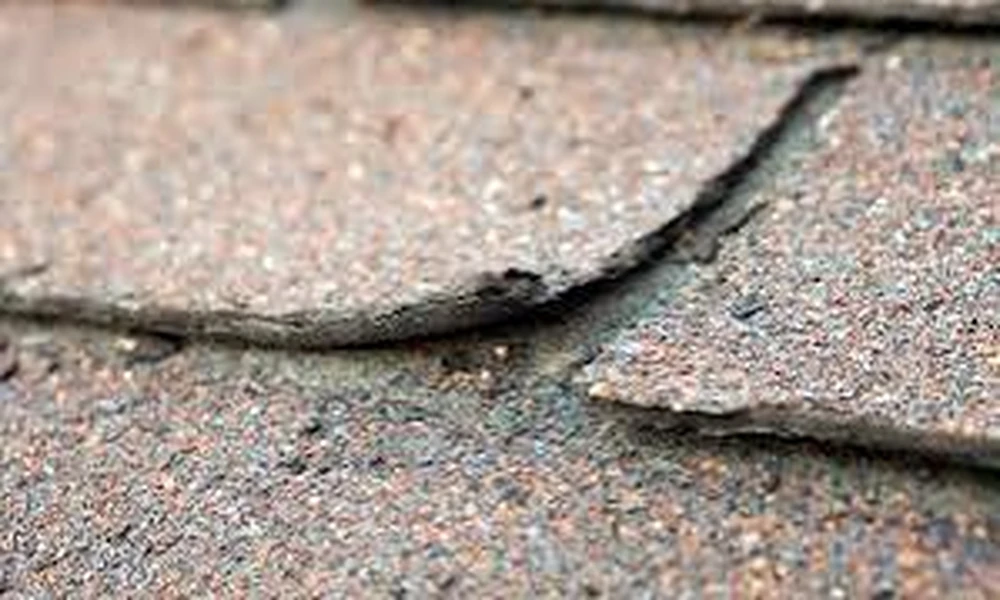
- Asphalt granules collecting in gutters and downspouts
- Faint brown rings on ceilings or upper walls after the first real rain of the season
Two or three of these together usually mean water is already moving somewhere it shouldn’t.
Choosing Metal That Can Take the Coast
Standing seam metal has earned its place in coastal remodels. The fasteners are hidden beneath the raised seams, which removes the most corrosion prone parts from the weather entirely. Aluminum panels are especially well suited near the water because aluminum forms its own protective oxide instead of rusting.
The details still matter. Exposed screws should be stainless steel, ideally a marine grade such as 316. Mixing metals is a classic mistake, since copper flashing touching aluminum panels sets off galvanic corrosion that eats the aluminum surprisingly fast.
Color is the other decision. California’s energy code sets minimum reflectance values for many residential roofs, and lighter or specially coated finishes can trim cooling costs on hot inland days. The Cool Roof Rating Council explains how reflectance and emittance are measured and keeps a directory of rated products, which makes it easier to compare the finishes a contractor puts in front of you.
When the Roof Doubles as a Patio
Ocean views mean plenty of homes have walkable decks, balconies and flat sections sitting directly over bedrooms and living rooms. A deck coating system is essentially a waterproof membrane with a wear layer on top. When the top coat thins or cracks, water finds its way to the plywood beneath and then into the ceiling below.
Hairline cracks at the edges, soft spots underfoot and water that ponds near the drain long after rain are the usual signs that a recoat is due. Catching it at the recoat stage costs far less than replacing rotted framing later.
Santa Ana Season Brings a Different Test
In fall and winter, dry Santa Ana winds blow offshore with gusts strong enough to lift loose tiles, peel back worn shingles and fling debris across neighborhoods. A roof that is tight and properly fastened handles the wind better, and a Class A rated assembly gives the strongest protection against embers.
Clearing leaves from valleys and gutters, keeping bird stops in place at the eaves and fitting ember resistant vent screens are simple steps that pay off when the hot wind arrives.
Getting the Timing Right
The smartest window for an inspection in coastal Orange County is late summer or early fall. The worst heat has passed, the rainy season usually doesn’t settle in until November, and there is time to get HOA approval if a project needs it. Homes within about a mile of the beach benefit from a yearly check.
Between visits, a gentle rinse of metal trim and flashing with fresh water from a garden hose a few times a year helps wash away salt buildup. Pressure washers are best kept away from tile and shingles, since they can crack tiles, strip granules and force water under the laps.
Keeping the View Without Paying for It Twice
Living near the Pacific is a trade most people would make again in a heartbeat. The marine air, the morning fog and the fierce offshore wind are part of the appeal, yet they ask far more of a roof than any dry inland valley would.
The homes that age gracefully along this coast usually share a few habits. Their owners pay attention to the hidden layers as much as the visible ones, choose metals that suit the salt, keep an eye on the decks they love to sit on and book inspections before the rain rather than after it. None of it is dramatic work, but it separates a roof that merely survives the ocean breeze from one that keeps a house dry for decades.
