

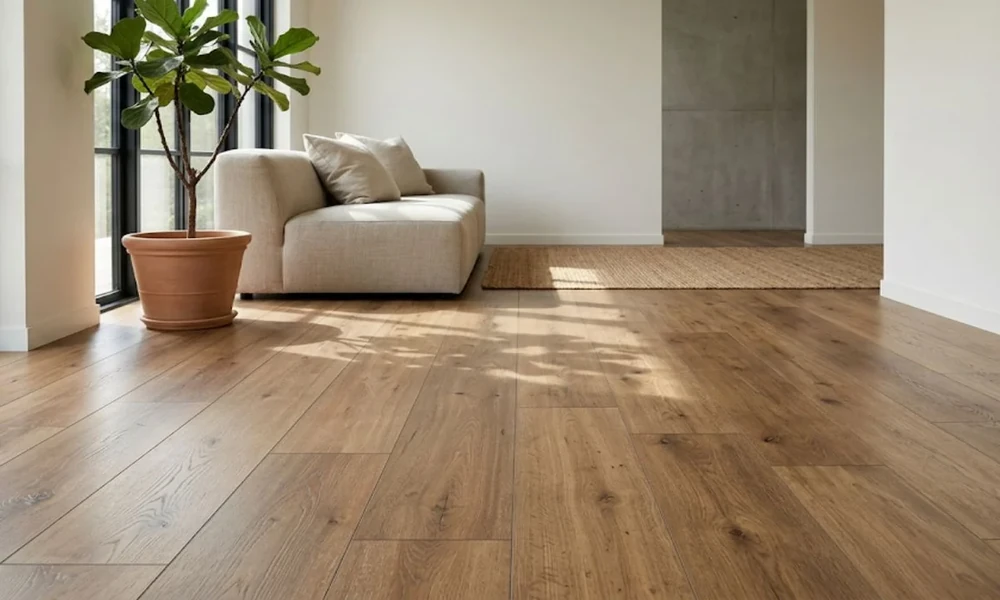
Flooring is the canvas of every home, setting the tone for both style and comfort. In recent years, homeowners have gravitated toward SPC vinyl flooring, drawn by its promise of durability, water resistance, and modern looks. But like any flooring solution, it’s crucial to weigh both the advantages and potential limitations before transforming your living space.
What Is SPC Vinyl Flooring?
SPC stands for Stone Plastic Composite, and it represents the latest evolution in vinyl flooring technology. Unlike traditional vinyl, SPC flooring fuses limestone powder with stabilizers to create a rigid, resilient core. Layered atop this are the decorative print film, a wear layer for protection, and often an integrated underpad for comfort and noise reduction.
What sets SPC apart from standard vinyl or laminate? Its rigid core resists dents, warping, and contraction, even in homes where temperature and moisture fluctuate. The click-lock installation system allows planks to snap together snugly, eliminating the mess and fumes that come with adhesives.
Key Benefits of SPC Vinyl Flooring in Residential Spaces
Water is no match for SPC flooring, making it a standout choice for kitchens, bathrooms, and basements where spills and humidity are constant threats. Homeowners can install it in virtually any room without worrying about water damage or swelling.
Busy families and pet owners find peace of mind in the scratch-resistant, wear-resistant finish. Muddy footprints, dropped toys, and pet nails are less likely to leave a mark. Additionally, the composition of SPC means it won’t expand or contract with Montreal’s seasonal swings in humidity and temperature.
Installation is a breeze, even for first-timers. The click-lock system means most planks can be floated over subfloors with minimal prep. Maintenance is equally straightforward, requiring only regular sweeping and the occasional damp mop.
Aesthetically, SPC vinyl flooring offers a vast palette of styles and finishes. Whether your home leans toward rustic oak, sleek grey tile, or weathered barnwood, there’s an option to match. Various plank sizes and realistic surface textures mimic the feel of wood or stone at a fraction of the cost.
Potential Drawbacks and Limitations of SPC Vinyl Flooring
While SPC flooring stands up well to daily wear, it can feel harder underfoot than traditional wood or luxury carpet. Households craving cushion might need to invest in additional area rugs.
There are some environmental concerns, as vinyl is not the most eco-friendly material and may contain trace chemicals. Additionally, low-end SPC products can off-gas volatile organic compounds (VOCs), so choosing certified, reputable brands is important.
Initial costs are higher than basic sheet vinyl or laminate, though often still lower than hardwood or tile. Repairs can be tricky. If a plank is damaged, it might be necessary to dismantle a large section to reach and replace it. Over time, especially in sun-drenched rooms, fading or discoloration can occur.
Choosing the Right SPC Vinyl Flooring for Your Home
Plank thickness and the wear layer play a significant role in durability and comfort. Residential SPC options often range from 4.5mm to 6.5mm thick, with a 12-20mil wear layer. Premium lines include integrated underpads for sound absorption, which can be a game changer in multi-level homes.
When it comes to design, the breadth of colors and textures means there’s a style to match every décor vision. For high-traffic spaces or households with kids and pets, consider commercial-grade options for added longevity.
Installation Considerations and Best Practices
A level, dry subfloor is essential for flawless installation. Skipping this prep step can lead to uneven planks and squeaks down the road. Ambitious DIYers may find installation manageable, but professional installers bring expertise, speed, and an eye for detail, especially when integrating stair nosings and transition pieces for a seamless look.
Maintenance Tips to Maximize Lifespan and Appearance
Regular cleaning is simple: vacuum or sweep away debris, then use a damp mop with a neutral cleaner. Avoid harsh abrasives or soaking the floor. In high-traffic zones, felt pads under furniture and entry mats can prevent scratches and stains. During Montreal’s winter, keep floors dry and free of salt deposits to maintain their finish.
SPC Vinyl Flooring Compared to Other Popular Residential Flooring Options
A side-by-side look at how SPC stacks up:
| Feature | SPC Vinyl Flooring | Engineered Hardwood | Laminate | Traditional Vinyl |
|————————|——————-|——————–|————–|——————|
| Water Resistance | Excellent | Good | Poor-Fair | Varies |
| Durability | Very High | High | Moderate | Low-Moderate |
| Installation | Easy (Click-lock) | Moderate | Easy | Moderate |
| Comfort Underfoot | Moderate | High | Moderate | Moderate |
| Style/Finish Variety | Extensive | Extensive | Good | Limited |
| Price Range | $$ | $$$$ | $-$$ | $ |
Final Considerations Before Investing in SPC Vinyl Flooring
Every home has its demands, and the right flooring should meet them with ease. For families needing resilience, style, and easy care, SPC Vinyl flooring is an adaptable solution worth considering. Assess your lifestyle, sunlight exposure, and long-term needs before making a final call. Trusted suppliers will offer strong warranties, clear guidance, and products that match your vision.
In the end, the best floor is the one that lets you live freely, without tiptoeing around life’s little messes.
